Blue glassy tiger (Ideopsis similis)
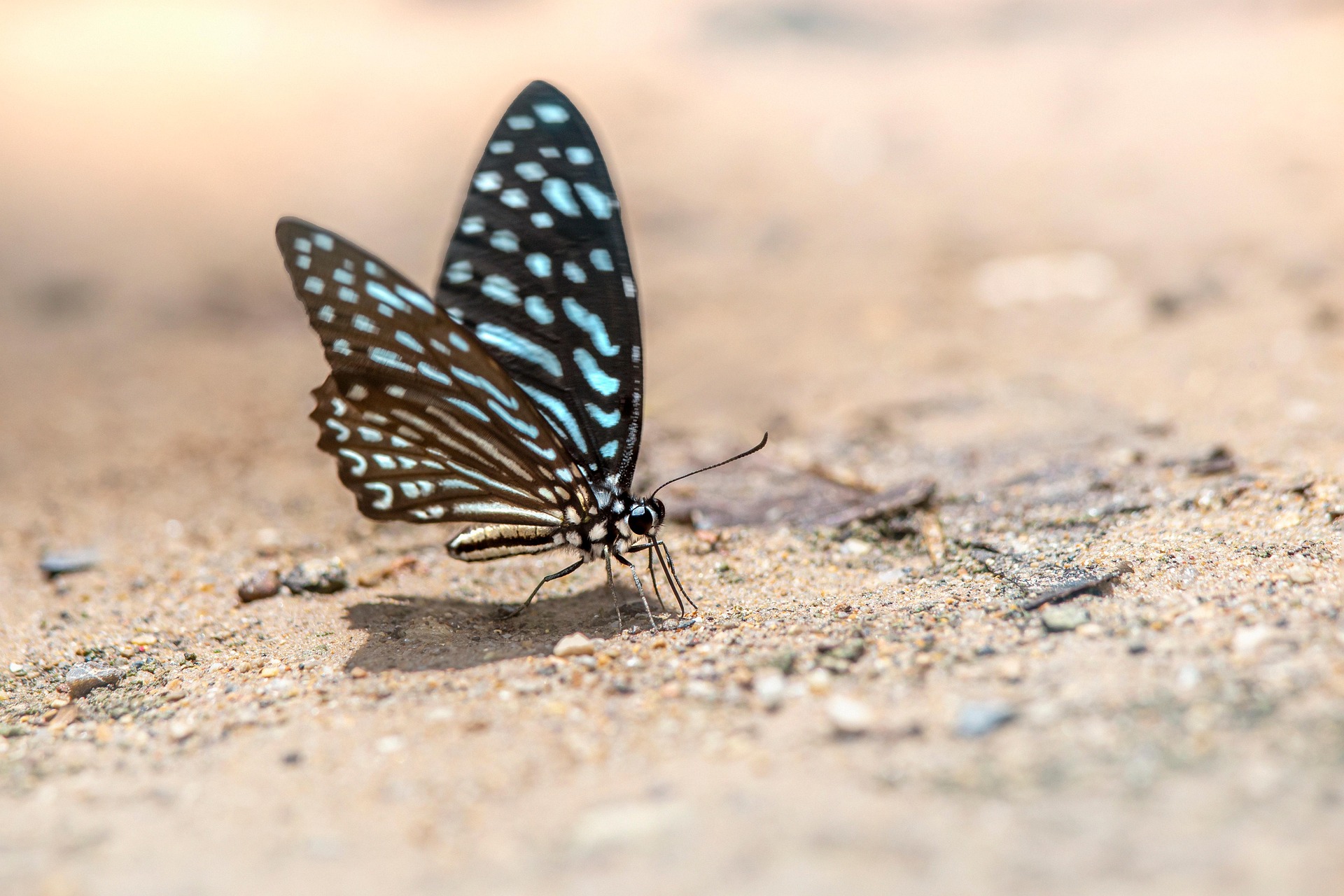
🦋 Blue Glassy Tiger (Ideopsis similis) – Overview
The Blue Glassy Tiger is a graceful butterfly species in the Danainae subfamily (the same group as monarchs and common tigers). Known for its translucent blue-white patterned wings, it glides gently through forests, gardens, and coastal habitats in South and Southeast Asia, including Thailand, India, Sri Lanka, and Malaysia.
🔍 Identification
| Feature | Description |
|---|---|
| Wingspan | 70–85 mm |
| Color | Translucent pale blue wings with black veining and borders |
| Body | Black with white spots |
| Flight | Slow, gliding, and graceful – typical of milkweed butterflies |
Very similar to the Dark Glassy Tiger (Parantica agleoides), but I. similis has a lighter blue tone and slightly longer wings.
🌿 Habitat
- Commonly found in:
- Mangroves
- Coastal scrub
- Open woodlands
- Gardens and parks
- Typically prefers humid, lowland areas but can also be seen in hill forests.
🍃 Host Plants (Larval Food)
The caterpillars feed on toxic plants, particularly from the Apocynaceae and Asclepiadaceae (milkweed) families, such as:
- Tylophora indica
- Marsdenia tinctoria
These host plants make both larvae and adults unpalatable to predators due to sequestered toxins.
🐛 Life Cycle
- Eggs laid singly on host plants.
- Caterpillars: Black with white and yellow bands, with fleshy filaments (like other Danainae).
- Pupa: Shiny green with golden spots.
- Adults emerge after about a week and can live several weeks.
🧠 Behavior & Ecology
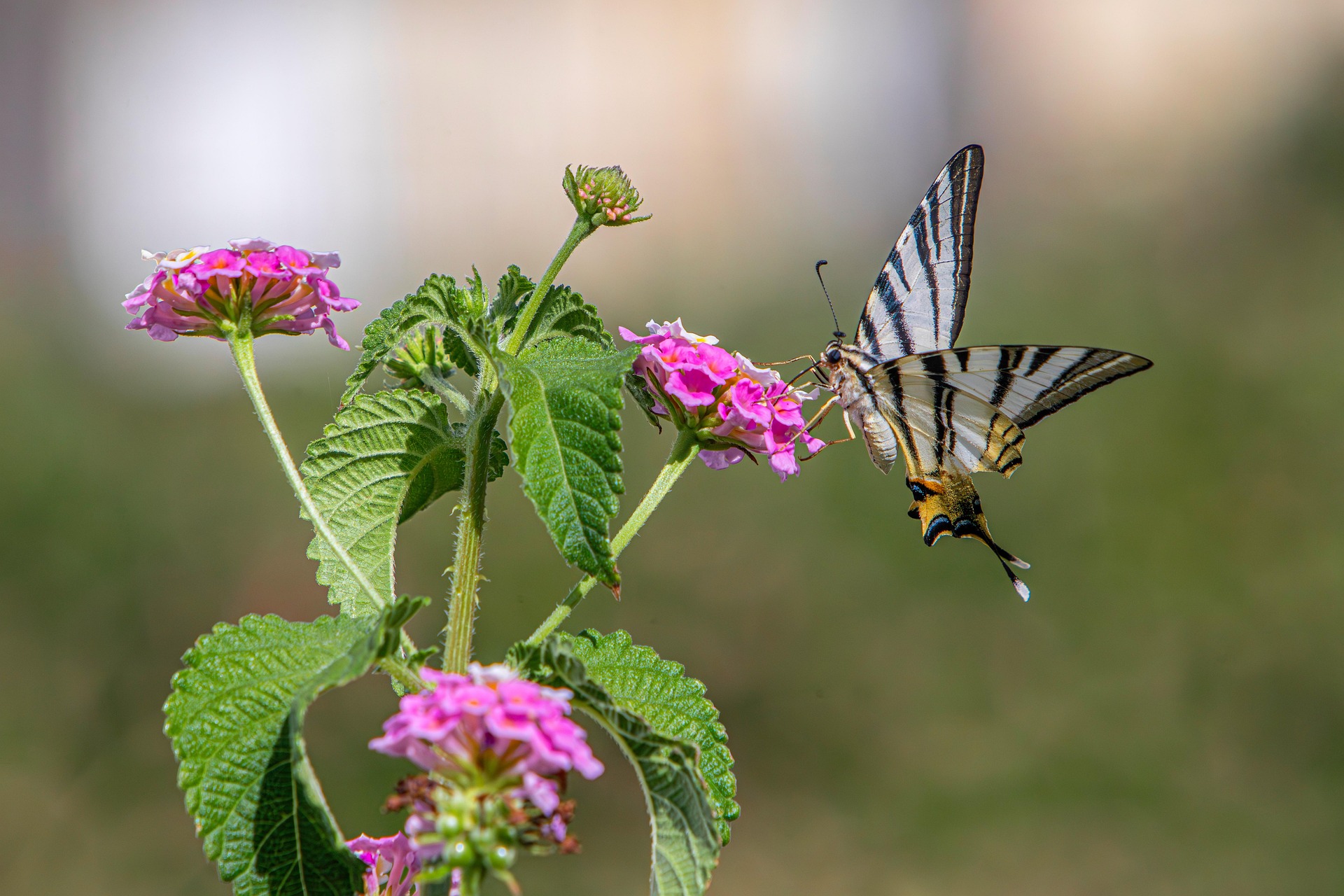
- Feeds on nectar from flowers like Lantana, Asystasia, and Clerodendrum.
- Participates in mimicry complexes with other milkweed butterflies (e.g., Tirumala and Danaus species).
- Unpalatable to birds, and often seen in butterfly congregations at forest edges or puddles (puddling behavior).
🌏 Distribution
Widespread in:
- India
- Sri Lanka
- Nepal
- Thailand
- Malaysia
- Indonesia
- Parts of southern China and Taiwan
🧬 Interesting Facts
- Adults can absorb pyrrolizidine alkaloids from certain plants or decaying material, used for chemical defense and pheromone production.
- Often mimicked by palatable butterflies for protection — classic example of Müllerian mimicry.
Would you like to see a comparison chart between Ideopsis similis and other lookalikes like Parantica agleoides or Tirumala limniace (Blue Tiger)?

Post Comment